Opera Obscura
August 7 @ 10:00 am – October 10 @ 4:00 pm
Mary Kavanagh
Caroline Galbraith Gallery
August 7 – October 10, 2026
Opera Obscura is a large-scale installation by Canadian artist Mary Kavanagh. For nearly three decades, Kavanagh has examined archives, memory, and sites where knowledge is classified, withheld, or at risk of disappearing — through an art practice consistently attentive to material evidence linked to histories and territories. In this new work, she turns her attention to one of the defining institutions of civic life: the library.
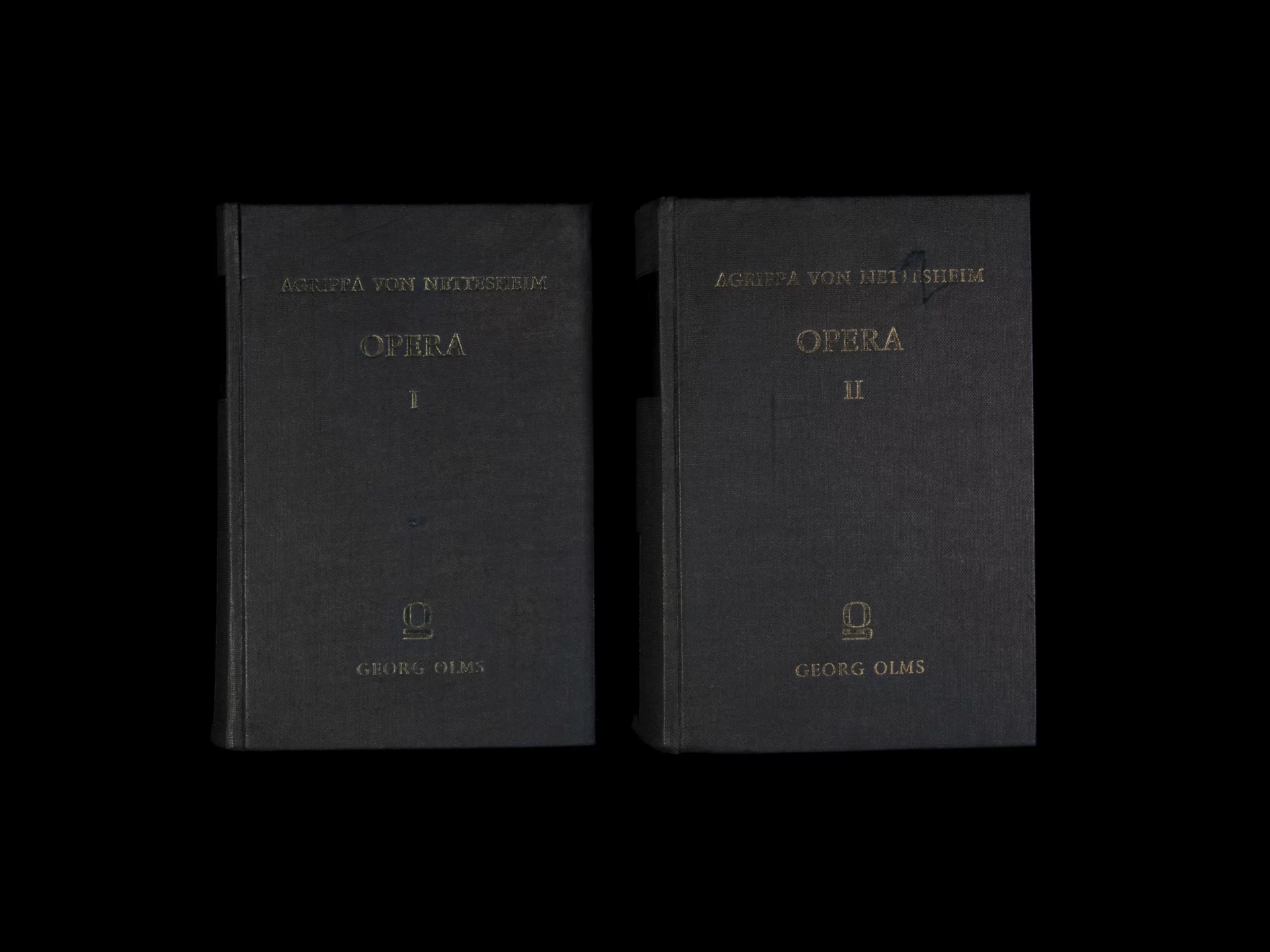
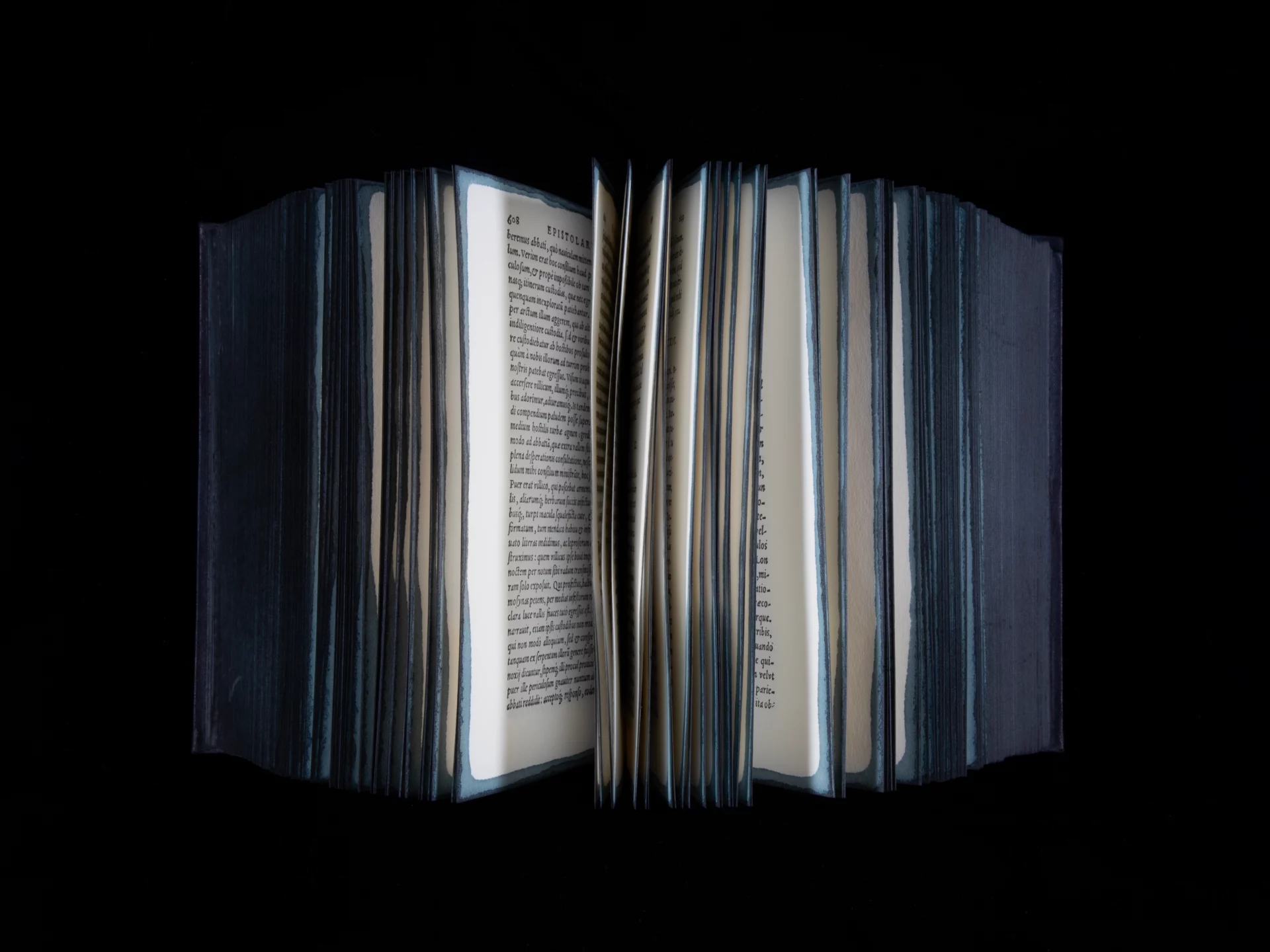
At the exhibition’s centre are approximately 2,000 deaccessioned books sourced from the annual collection review of the University of Lethbridge Library. Spanning disciplines, languages, and eras, each volume has been individually hand-inked to black and arranged in a dense gridded field. Serial and austere, the installation evokes both catalogue and cenotaph. Gilded titles, embossed surfaces, library markings, and traces of use remain partially visible beneath layers of ink — a tension between erasure and preservation extended through a companion series of black-on-black photographs, where individual volumes are isolated, lit, and slowly disclosed.
The project investigates the library as a site of cultural negotiation — an institution through which knowledge is ordered, preserved, overwritten, and lost. Blackening becomes a form of witnessing — of sitting with what Walter Benjamin describes as the collector’s bind: that books do not belong to us so much as we belong to them, inhabited by what we have gathered.¹ Drawing on Hannah Arendt’s argument that attention is itself a civic act, Opera Obscura gives loss a body and registers its weight.² The work reflects on the incremental transformations reshaping public institutions — technological change, economic pressure, shifting political priorities — that quietly alter the conditions through which knowledge circulates and endures.
Opera — from the Latin opus: work, labour, effort; its plural form suggesting not a single work but a body of works, the cumulative product of sustained human toil. Obscura — from obscurus: dark, hidden, withdrawn — names both a material condition and a state of disappearance. The title carries an echo of camera obscura, where darkness becomes the condition of seeing — a logic extended through the photographic series, where blackened surfaces yield rather than withhold.
Monumental in scale and elegiac in tone, the project registers the slow erosion of the material record, the institutions entrusted with its keeping, and the accelerating political forces that now threaten both.
¹ Walter Benjamin, “Unpacking My Library,” in Illuminations, trans. Harry Zohn (New York: Schocken Books, 1969), 59–67. Originally published 1931.
² Hannah Arendt, Men in Dark Times (New York: Harcourt, Brace & World, 1968).